
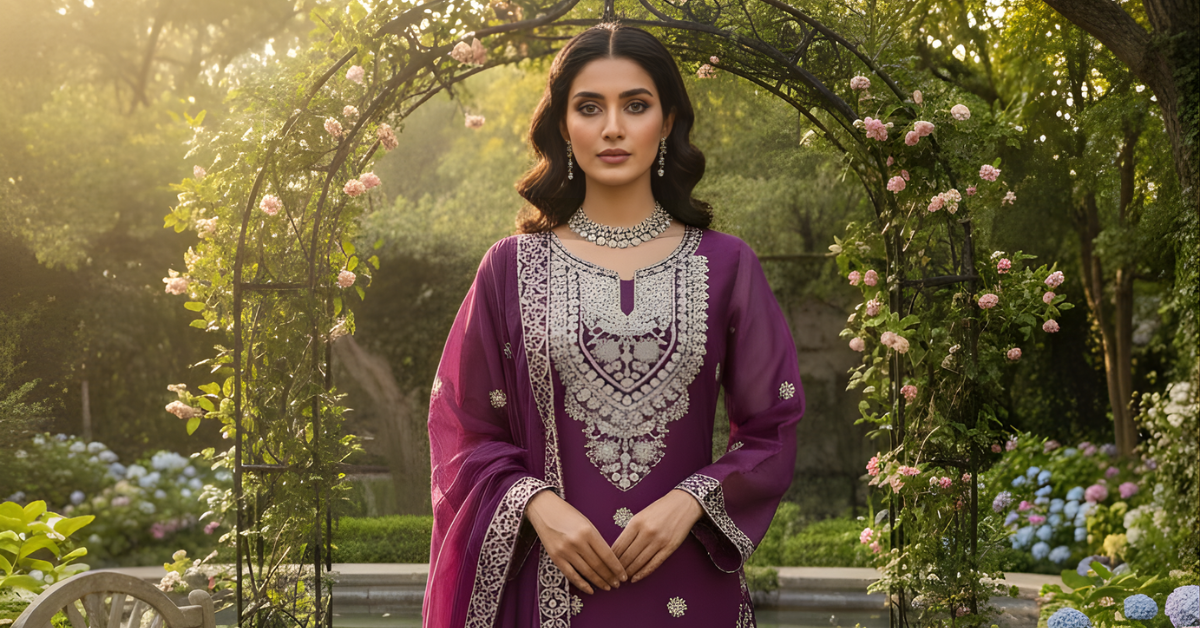
Why Pakistani Embroidery Defines Luxury Ethnic Fashion in South Asia?
If you have ever compared a Pakistani kurta with a regular ethnic outfit, you probably noticed something instantly. Pakistani embroidery just looks more expensive. Even when the fabric is simple, the design feels luxurious. The outfit looks like it came from a boutique, not a mass market store.
This is not accidental. Pakistani embroidery is designed with a completely different mindset. It blends heritage craftsmanship with modern luxury aesthetics. That is why women across South Asia, including Nepal, are obsessed with Pakistani-inspired kurtas.
Let us explore the real secrets behind Pakistani embroidery and why it has become the gold standard for premium ethnic fashion.
1) Embroidery Is Treated as the Main Design
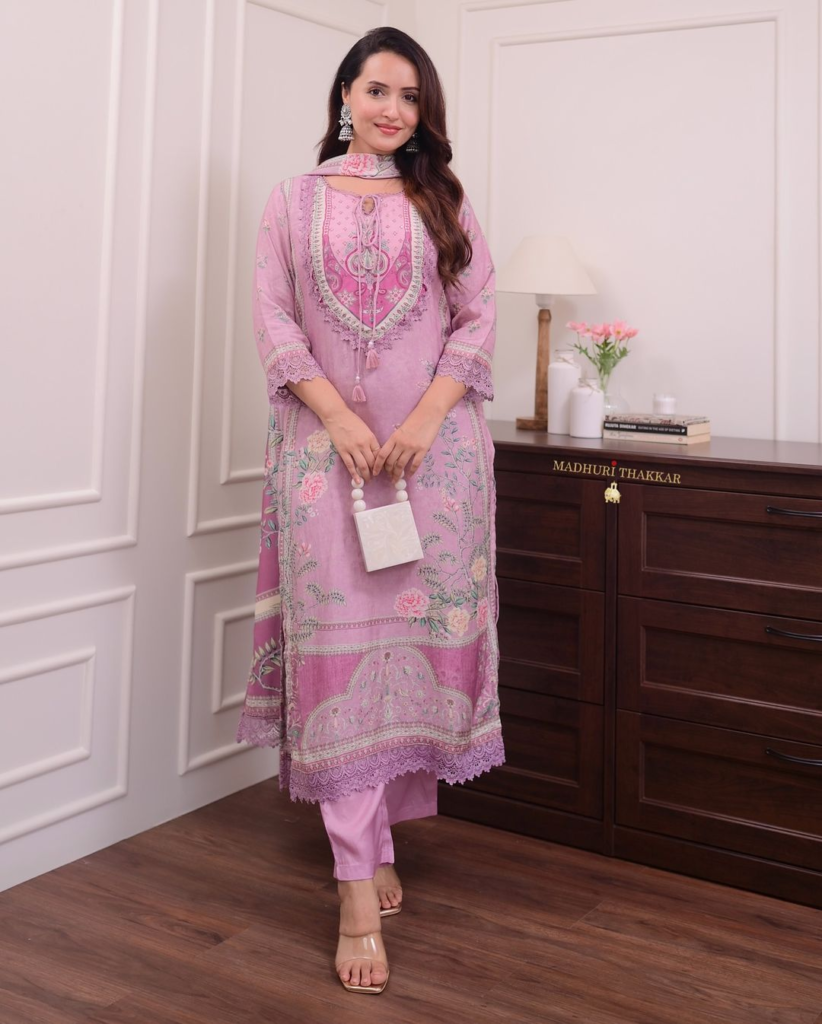
In many markets, embroidery is added as decoration. In Pakistani fashion, the art of embroidery is a timeless tradition. Designers start with embroidery concepts first. The motifs, the neckline borders, and panel placements are planned before the garment is cut. The kurta is built around embroidery, not the other way around. This design philosophy makes the outfit feel curated and intentional. It looks like a designer piece because it is structured like one.
The kurta is built around the embroidery, not the other way around. This approach ensures that every stitch, line, and pattern feels intentional and thoughtfully placed. The result is an outfit that looks curated, balanced, and sophisticated, like a true designer piece. By treating embroidery as the foundation rather than an afterthought, Pakistani kurtas achieve a premium, structured aesthetic that feels luxurious from every angle.
2) Heritage-Inspired Motifs That Feel Timeless
Pakistani embroidery draws inspiration from Mughal art, Persian floral architecture, and regional folk patterns. These motifs have been refined over centuries and carry cultural depth. You often see detailed florals, vines, paisley,s and geometric borders arranged in balanced compositions. These patterns feel rich and timeless, which naturally makes the outfit look premium. Trends may change, but heritage-inspired motifs always feel expensive.
3) Dense Stitching That Adds Depth
One of the biggest secrets is stitch density. Pakistani embroidery is rarely sparse and the stitches are layered, detailed and textured. Dense embroidery creates dimension and light reflects off the threads making the fabric look rich even from a distance. This is why Pakistani suits stand out in photos of weddings and fashion content. The embroidery feels substantial without making the outfit heavy.
4) Luxury Embroidery Techniques
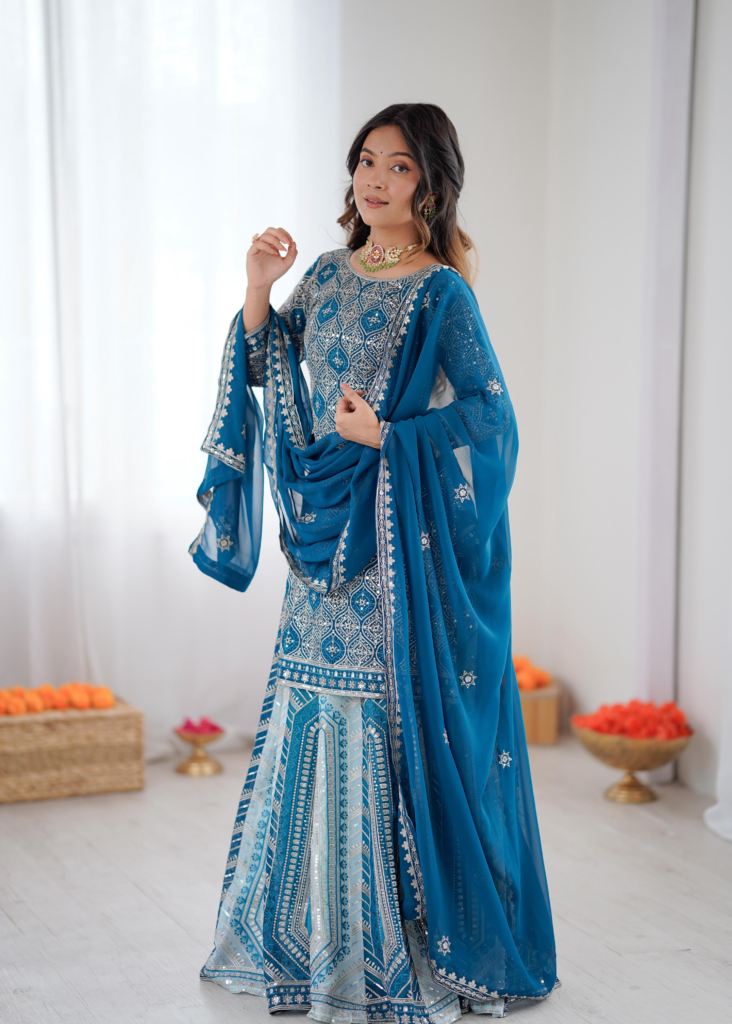
Pakistani designers use techniques associated with high-end craftsmanship. These include resham thread work, zari embroidery, dabka gota, mirror work, and subtle sequin embellishments. These techniques require skilled artisans and time. Handcrafted details automatically elevate the garment, and even when machine embroidery is used, it is designed to mimic handwork. Luxury is often in the detai,l and Pakistani embroidery focuses heavily on detail.
5) Sophisticated Color Palettes
Another reason Pakistani embroidery looks expensive is color restraint. Instead of using many bright colors, designers often choose tonal palettes. Pastels with white embroidery soft neutrals with gold thread deep jewel tones with subtle highlights. This balance creates elegance. Too many colors can look busy and controlled color palettes feel curated and high-end.
6) Strategic Placement That Flatters the Body
In Pakistani kurtas, embroidery placement is not random. Pakistani kurtas often feature vertical panels, detailed necklines, and borders at hems and sleeves. These placements elongate the body and create structure. The eye is guided vertically, which makes the wearer look taller and more elegant. Good placement is invisible tailoring, and it makes the garment feel designer-made.
This thoughtful placement guides the eye naturally, creating a slimming and elongating effect that makes the wearer appear taller and more graceful. It acts like invisible tailoring, transforming the kurta from a simple ethnic outfit into a designer-level piece. Even subtle embroidery on strategic areas can elevate the garment, giving it a curated, high-end feel. Every stitch has purpose, making the ensemble look intentional, balanced, and effortlessly elegant.
7) The Art of Balance Between Heavy and Minimal
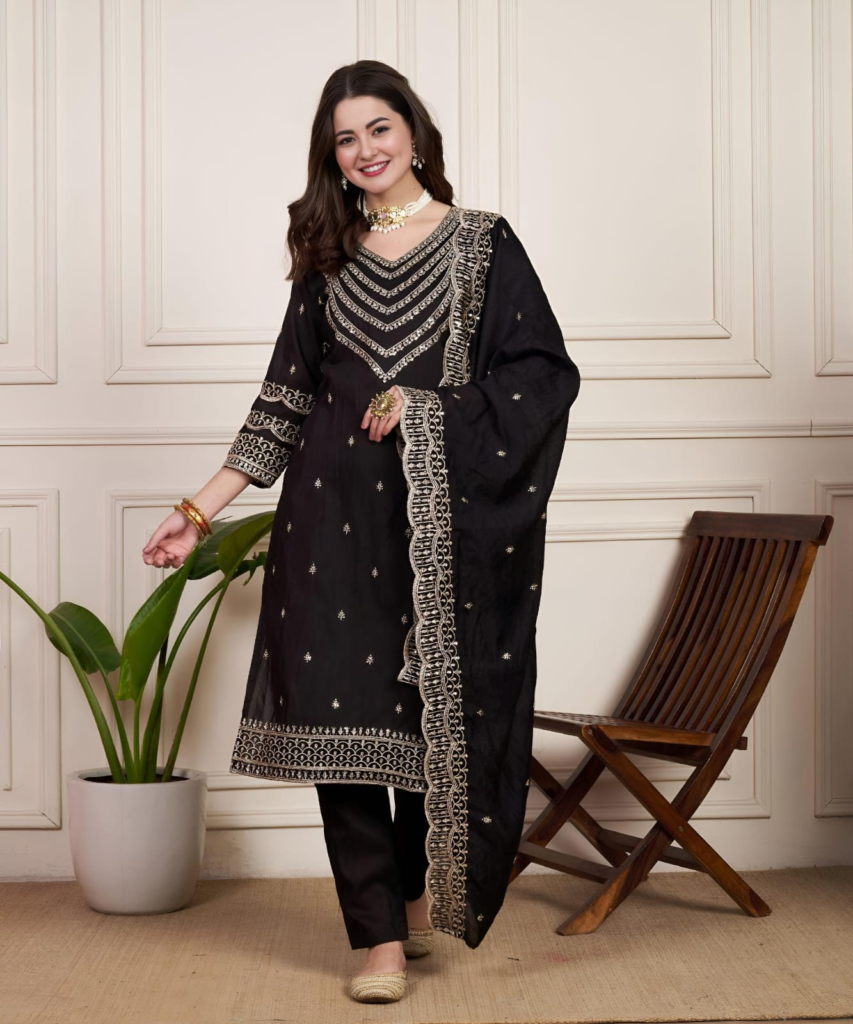
Luxury fashion is about contrast. Pakistani embroidery rarely covers the entire garment and designers balance heavy areas with clean fabric. They create a detailed neckline with a simple body and heavy borders with light centers along with dupattas with scattered motifs and strong edges. This negative space makes the design breathable and sophisticated. Overloaded embroidery often looks cheap but balanced embroidery looks expensive.
This use of negative space makes the design breathable, elegant, and sophisticated. Overloading embroidery can feel chaotic or cheap, but when carefully balanced, every stitch appears intentional, making the outfit feel effortlessly luxurious.
8) Quality of Threads and Embellishments
Materials matter. Pakistani brands often use high-quality threads with subtle sequins, refined beads and stones that do not look plastic. Even small details like thread shine and sequin size change the overall look and premium materials elevate even simple designs.
Even small details like thread thickness, stitch tension, and sequin size dramatically influence the final appearance. Fine threads create smooth, precise patterns, while oversized or low-quality embellishments can instantly cheapen a design. Premium embroidery focuses on balance and refinement.
High-quality materials also improve durability. The threads do not fray easily, the embellishments stay secure, and the embroidery maintains its shape over time. This ensures the outfit continues to look elegant even after multiple wears.
When craftsmanship is paired with superior materials, even a simple design appears luxurious. That is the quiet power of quality; it elevates without shouting.
Experience the elegance of Pakistani-inspired embroidery. Explore Lulaz Wear’s curated collection of premium kurtas and elevate your ethnic wardrobe today!
9) Why Pakistani Embroidery Dominates Social Media and Weddings?
Pakistani embroidered outfits are photographed beautifully. The light catches the threads and borders frame the outfit, whereas the dupattas add movement. This is why bridesmaids, influencers, and fashion creators across South Asia choose Pakistani suits. They look cinematic in reels and wedding photos. Luxury today is visual and Pakistani embroidery is designed to be visually stunning.
Neckline detailing draws attention to the face, while vertical panels and hem borders create structure in photos. The dupatta adds movement, especially in reels and candid wedding shots. As it flows, the embroidered edges remain defined, creating a cinematic effect.
Under wedding lighting, whether it is golden hour sunlight or indoor chandeliers, dense embroidery reflects light subtly without looking harsh. This gives the outfit a natural radiance.
Luxury today is visual. In social media posts and wedding albums, Pakistani suits stand out instantly because they are designed not just to be worn, but to be seen.
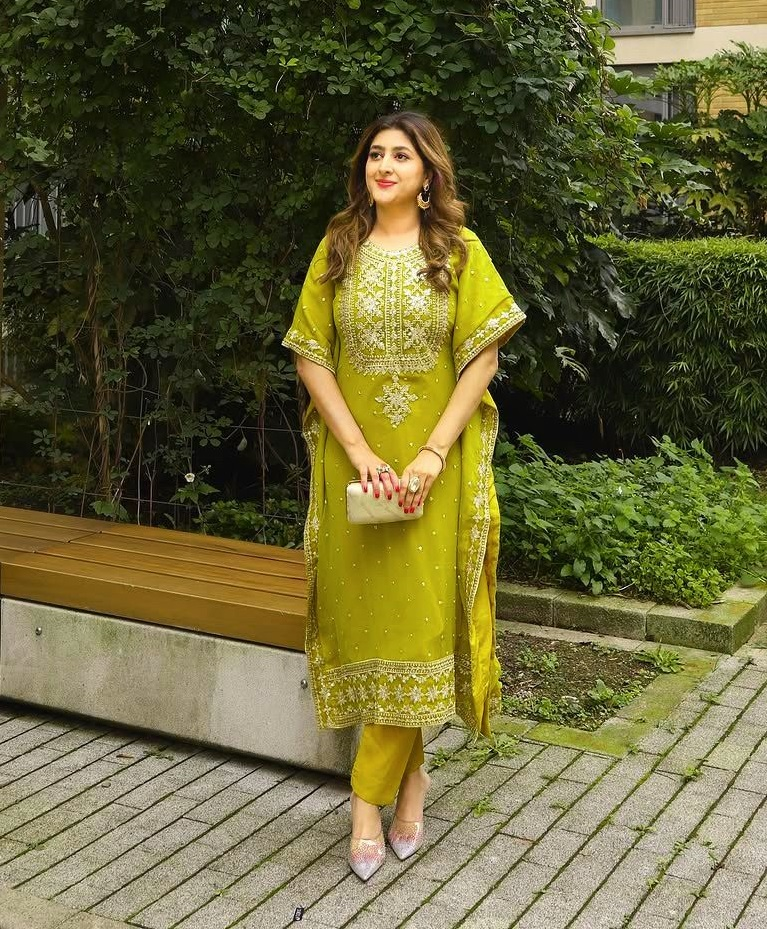
10) Why Nepali Girls Are Falling in Love With Pakistani Embroidery?
In Nepal, fashion tastes are evolving. Women are looking for outfits that feel premium and global. Pakistani embroidery kurta is popular in Nepal, and it has become a symbol of luxury ethnic wear. Boutiques in Kathmandu and online stores are increasingly curating Pakistani-inspired designs. Nepali girls associate Pakistani embroidery with elegant weddings and high-end fashion. As social media connects Nepal with global fashion trends, this appreciation will only grow.
As this demand rises, investing in well-crafted embroidered pieces becomes essential for building a refined wardrobe. Lulaz Wear brings Pakistani-inspired embroidery with premium fabrics and tailored silhouettes for modern Nepali women. Explore the collection and experience global luxury, reimagined for Nepal.
11) Craftsmanship Culture in Pakistan
Pakistan has a strong artisan culture rooted in regional embroidery traditions. Cities and regions have developed distinct techniques over generations. Skilled craftsmen spend years mastering thread tension, stitch density, and finishing techniques. This generational expertise is what gives Pakistani embroidery its refined appearance.
Luxury often comes from heritage knowledge passed down over time. When embroidery is treated as art rather than factory output, the difference is visible. That cultural respect for craftsmanship is a major reason the final garment feels high-end.
Frequently Asked Questions (FAQs)
Why does Pakistani embroidery look more expensive than other embroidery?
Pakistani embroidery looks expensive because it uses dense stitching, heritage-inspired motifs, luxury techniques, and strategic placement that creates a designer and premium finish.
What makes Pakistani embroidery different from Indian or Nepali embroidery?
Pakistani embroidery focuses on balanced design, structured placement, refined color palettes, and couture-inspired layouts, while many other styles focus more on heavy decoration.
What embroidery techniques are used in Pakistani fashion?
Pakistani fashion uses resham thread work, zari, dabka, gota, mirror work, and subtle sequins, often crafted by skilled artisans.
Why is Pakistani embroidery popular in Nepal?
Pakistani embroidery is popular in Nepal because it is associated with luxury ethnic wear, weddings, and premium boutique fashion.
How to choose a premium Pakistani embroidered kurta?
Look for dense stitching, balanced embroidery placement, refined color palettes, quality threads, and well-finished borders and necklines.
Conclusion
Pakistani embroidery looks expensive because it is designed like luxury fashion. It blends heritage artistry with modern design principles. Every motif, every stitch, every placement is intentional. This is why Pakistani kurtas stand out across South Asia and why Nepali fashion is embracing this aesthetic. Embroidery is not just decoration. It is craftsmanship, architecture, and storytelling on fabric.
As Nepali fashion evolves Pakistani-inspired embroidery will continue to shape what premium ethnic wear looks like. And brands that understand this craft will define the future of kurta fashion in Nepal.
Check out our YouTube channel now for exclusive content!


