
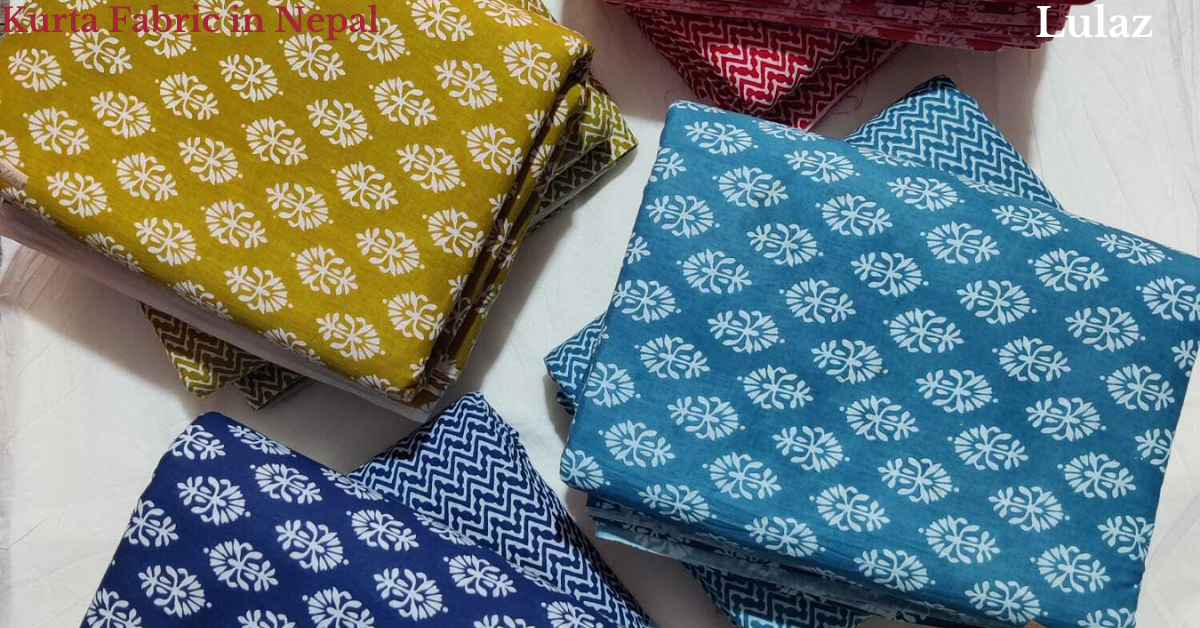
Kurta Fabrics Guide: Best Materials for Nepal’s Climate
When selecting that perfect kurta in Nepal, we are not just talking about color, cut, or style; we are talking about fabric. The fabric your kurta is made of, in Nepal, is very important for comfort, durability, and style, especially when you consider that Nepal has an extreme climate. From the hot summers of Kathmandu to the cooler winters of Pokhara, selecting the right fabric kurta in the season will make a difference! Whether you’re looking for kurtas to wear at Nepalese festivals like Dashain and Tihar, for weddings, or just a casual wear kurta, this is important to understand: what fabric is best for what occasion?
The following guide will help you understand the different kurta fabrics in Nepal. We touch on the most popular types of fabric, each fabric’s pros and cons, how to wear each type of fabric, care instructions, and links to buy genuine kurtas locally in Nepal and online (some are even shipped worldwide). By the end of this guide, you’ll be able to confidently choose kurtas that look good, feel good, and make sense in your climate.
1) What Are Kurta Fabrics in Nepal?
In layman’s terms, kurta fabrics in Nepal are used to describe the types of fabrics used to create kurtas appropriate for Nepal’s weather and cultural context. In Nepal, kurtas may be fashioned from many textiles that afford different types of fabric feel, breathability, and appearance. Traditional materials like cotton and silk, alongside modern fabrics such as rayon and chiffon, allow users multiple suggested choices, ranging from everyday attire and special occasions.
The choice of fabric affects comfort, but how the kurta hangs what its lifespan, and its overall aesthetics. For example, when it is hot and humid, light fabrics like cotton do the best, were silk or georgette may be more preferable for weddings and festive occasions.
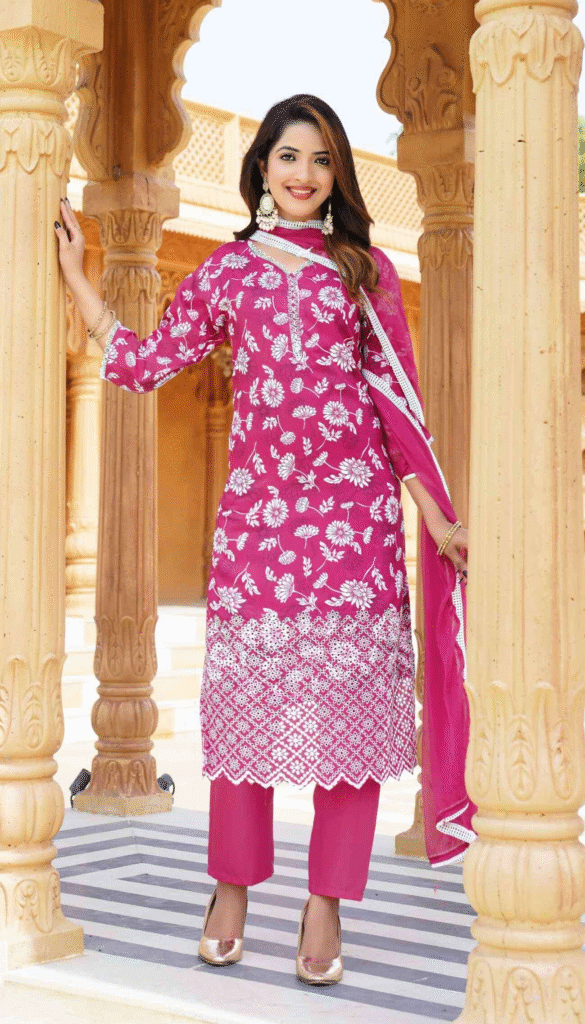
2) Why are particular Kurta Fabrics in Nepal popular?
Kurtas have been a staple of wardrobes in Nepal for centuries. Their continued popularity is a combination of cultural, practical, and style reasons:
i) Festivals and Special Celebrations
Dashain, Tihar, Teej, and other festivals often involve wearing and styling Festive kurtas that bright, vibrant, and comfortable. The fabric choices provide breathability and comfort as locals often celebrate for a day or more.
ii) Weddings and Special Occasions
Nepalese weddings require attire that not only looks rich but also feels comfortable – hence the choice of silk or georgette kurtas, as the weight of fabric is essential.
iii) Casual Wear
Cotton or rayon kurtas are a blend of both comfort and style that everyone wears almost daily. The lightweight fabric means that you can look polished while still keeping cool in the heat of summer.
iv) Modern Fashion Appeal
While modern designers have started playing with texture, patterns, and blends, kurtas are still appropriate for modern fashion trends, while still preserving the traditional luster that appeals to young adults and college students across Nepal.
For traditional practice or modern style, kurta fabrics in Nepal represent practical and fashionable choices.
Explore Lulaz Wear’s kurta fabrics collection here and find your perfect kurta.
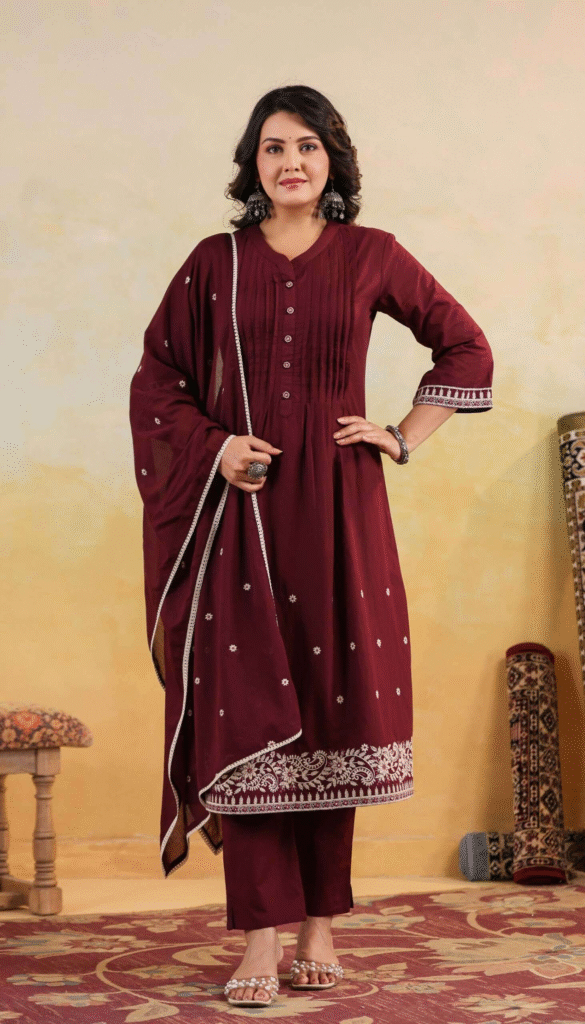
3) Types of Kurta Fabrics in Nelpal
With the right fabric, you improve comfort and looks. Below is a breakdown of the top fabrics to consider for kurtas in Nepal
i) Cotton Overview
Quick-drying, soft on the skin, breathable, and best for really hot weather. When to wear: You can wear cotton every day for all sorts of casual encounters, office wear, or during summer festivals. Pros: Comfortable, lightweight fabric, simple to wash, and hypoallergenic. Cons: Cotton wrinkles easily and shrinks if washed improperly
ii) Rayon Overview
Rayon is a semi-synthetic fabric made from natural fibers, providing a lighter and comfortable fabric than cotton and silk with a silk-like finish. When to wear: Good option for casual occasions or semi-formal functions. Pros: Smooth texture, adaptable draping style, and comfortable on the body. Cons: Those washable type kurtas can lose shape if it is washed too much.
iii) Silk Overview
Thick fabric that can be used for every occasion, but it is commonly used for festive and formal occasions. When to wear: Weddings, pujas, or as evening wear for parties. Pros: Has a rich texture, colourful and rich aesthetic, and good draping adaptability. Cons: Expensive fabric and which requires a lot of attention to proper handling care..
iv) Georgette Overview
Lightweight, soft with sheer characteristics and crinkled texture. When to wear: Georgettes are more adaptable to wearing, suitable for weddings, evening appointments, events, or festive gatherings. Pross: Flowy, elegant, less prone to wrinkles than silk.Cons: Can snag easily; requires careful washing.
v) Chiffon
- Overview: Thin, sheer, and light, often used in layered kurtas or overlays.
- When to Wear: Party wear, evening functions, or layered summer kurtas.
- Pros: Elegant drape, airy feel, perfect for hot weather.
- Cons: Delicate and prone to tearing.
Many modern kurta fabrics now embrace sustainability by using eco-friendly fabrics, allowing you to enjoy both comfort and style while making environmentally conscious choices. With the right fabric, you can enhance your look and feel confident for any occasion.
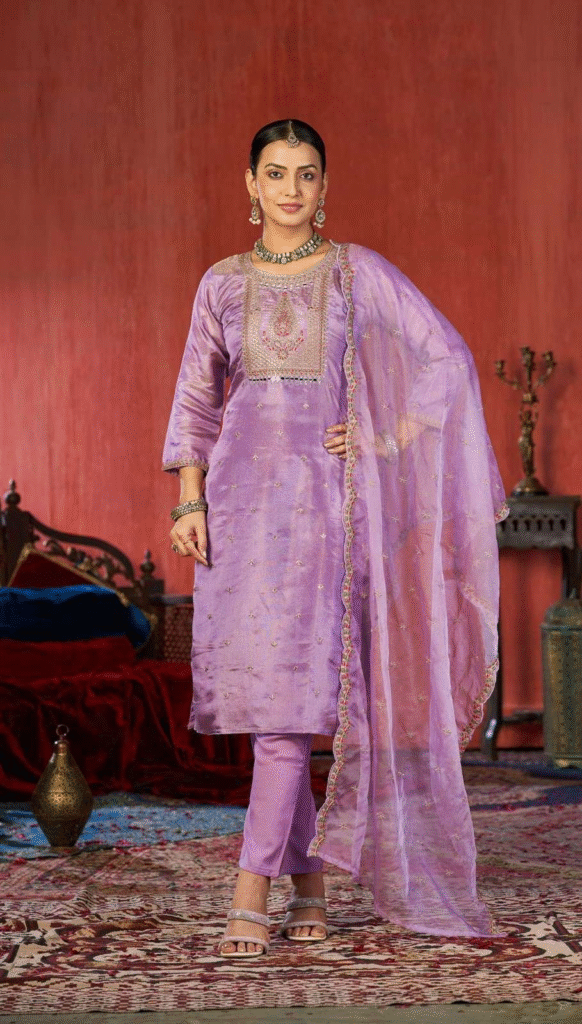
4) When to Wear Which Kurta Fabric?
Choosing the right fabric depends on the occasion, weather, and personal style. Here’s a quick guide:
- Cotton: Daily wear, summer festivals, casual meetups.
- Rayon: Semi-formal gatherings, casual office wear.
- Silk: Weddings, Tihar, Dashain, or evening parties.
- Georgette: Evening functions, festive events.
- Chiffon: Hot summers, party wear, layered looks.
Pro Tip: Blend fabrics if needed—like cotton-silk for comfort and elegance. Understanding when to wear each fabric ensures you look stylish while staying comfortable.
Explore Lulaz Wear’s curated collection of kurta now.
5) How to Style a Kurta in Nepal?
Choosing the right fabric is as essential as styling your kurta. We have given some tips on styling various fabrics:
i) Jewelry
Small jewelry such as jhumkas or dainty chains is suitable for cotton kurtas, while more heavy statement jewelry looks great with silk or georgette.
ii) Footwear
Choose juttis or sandals, or block heels based on comfort and occasion.
iii) Hairstyles
You can do a simple ponytail or braid for general wear and soft curls or buns for formal occasions.Looks for the occasion: Layer a cotton kurta with a chic jacket for office wear or wear an embroidered dupatta with a silk kurta for festive glam.
Remember, there is comfort plus style. Fabrics that suit your body type and climate will elevate your kurta game in a second.
6) Where to Buy Kurtas in Nepal?
Online Store
Lulaz Wear is certainly the best go-to place for original and quality kurtas in Nepal. They provide a selection of fabrics that you can choose from, including cotton, rayon, silk, georgette, and chiffon for casual as well as festive occasions.
Offline Store
Some fun alternatives would be to visit some also visit offline markets in Kathmandu, such as Asan Bazaar and Thamel, to check out original weaves and fabric variations. However, Lulaz Wear online shopping provides curated designs, doorstep delivery, and much to offer in terms of unique selections.
Check out our Fabric Types Collection for detailed options by material.
7) Care & Maintenance Tips
How to Properly Care for Your Kurta to Make it Last Longer and Look Good:
- Washing: Cotton and rayon fabric can be hand-washed or machine-washed on a gentle cycle. Silk, georgette, and chiffon fabrics should be hand-washed only or dry-cleaned.
- Ironing: Cotton and rayon can be pressed on medium; silk and chiffon, we recommend using low heat or steaming.
- Storage: Store the kurta in a cool, dry place. Use fabric covers for silk and georgette to help prevent dust particles and maintain the texture.
Properly caring for your kurta keeps it looking vibrant, feeling comfortable, and lasting longer. Simple steps like gentle washing, careful ironing, and storing delicate fabrics such as silk and georgette in a cool, dry place go a long way in preserving your ethnic wear.
Frequently Asked Questions (FAQs)
What are the most common kurta fabrics in Nepal?
The most common fabrics are cotton, rayon, silk, georgette, and chiffon, where selection is made depending upon occasion and weather.
What are the best kurta fabrics for hot summer weather in Nepal?
Cotton and chiffon fabrics are both lightweight and breathable fabrics and are the best options for summer.
How do I care for silk and georgette kurtas?
Silk and georgette kurtas should be hand-washed or dry-cleaned only, and should be stored in a cool and dry place and out of direct sunlight.
Can rayon kurtas be worn casually in Nepal?
Yes, rayon is comfortable, stylish, and can be worn as casual wear.
Where can I buy a good-quality kurta in Nepal?
You can buy a good quality of a kurta at Lulaz Wear as it has a curated collection of kurtas.
Conclusion
By understanding how kurta fabrics function in Nepal, you are now equipped to make sharp choices concerning your style, comfort, and occasion. In short, from breathable cotton for everyday wear to formal silk for all things festive or sheer and lightweight chiffon for summer parties, the proper fabric makes you feel and look great.
Subscribe and stay stylish with Lulaz Wear.


