
Choosing Between Silk and Cotton Kurtas in Nepal’s Unique Climate
Nepal’s weather fluctuates suddenly. Sunny in the morning, cloudy by noon, and chilly by evening. Therefore, when choosing the right kurta, the fabric is one aspect you cannot overlook, and there are two leading contenders – silk and cotton. But which one is best suited for the weather in Nepal?
Let’s discover which kurta (Silk vs. Cotton Kurtas) is the right festive kurta for your everyday wear or your festive wear.
1. Understanding Nepal’s Weather Patterns
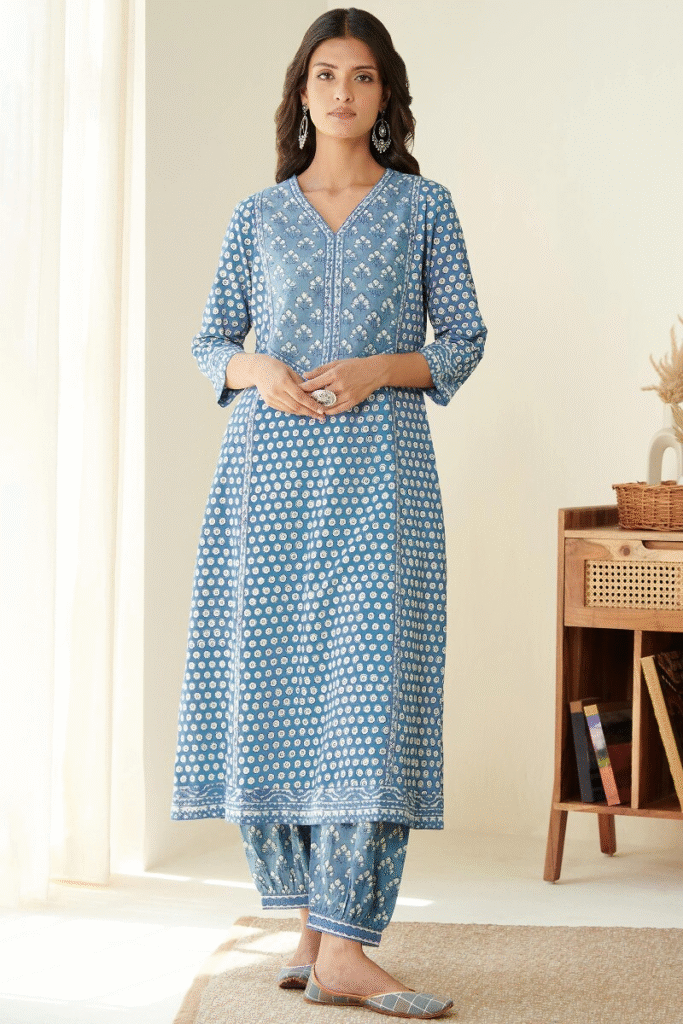
Nepal is known for its varying climate, from the hot Terai plains to the cooler hilly regions to the freezing mountain zones. For most people in the Kathmandu Valley, the weather would be hot and sticky in summer, pleasant in spring/fall, and quite chilly in winter. Therefore, you can understand why your kurta choice should shift with the seasons and how the fabric used determines comfort and style.
2. Cotton Kurtas: Everyday Comfort
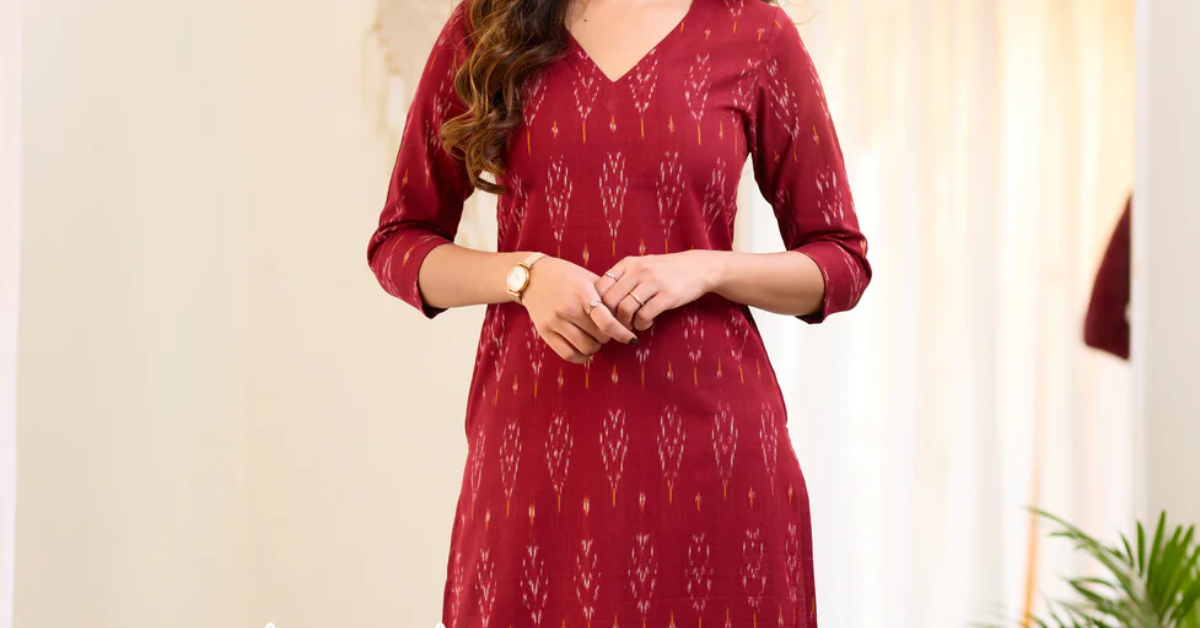
Cotton kurta is a summer staple, Perfect for Everyday Wear
- Breathable & Lightweight: As cotton fabric is airy and allows your skin to breathe, it is perfect for Nepal’s hot summer.
- Easy to Wash & Maintain: unlike other fabrics, cotton is a very easy to care fabric and it can survive daily washing.
- Affordable: Cotton kurtas come in a wide price range, perfect for students, working women, and homemakers.
Downsides:
- May crumple easily
- Can look too plain for formal events
3. Silk Kurtas: Luxury with a Shine
Ideal for Special Occasions & Cooler Weather
- Elegant & Classy: Silk fabric is perfect for weddings, parties, or other formal gatherings as it adds instant grace.
- Good for Winter: As silk is a fabric that retains warmth, it is ideal for chilly mornings or evenings.
- Rich Look: Silk fabric adds sophistication, and it makes you stand out.
Downsides:
- Needs proper washing or dry cleaning
- It’s not comfortable in the heat or humidity
- It is expensive compared to cotton
4. Style Tips: Cotton vs Silk Kurtas
| Occasion | Cotton Kurtas | Silk Kurtas |
| Office/College | Light prints, straight cut | Minimal embroidery |
| Casual Outings | Sleeveless, short kurtas, A-line | Not recommended |
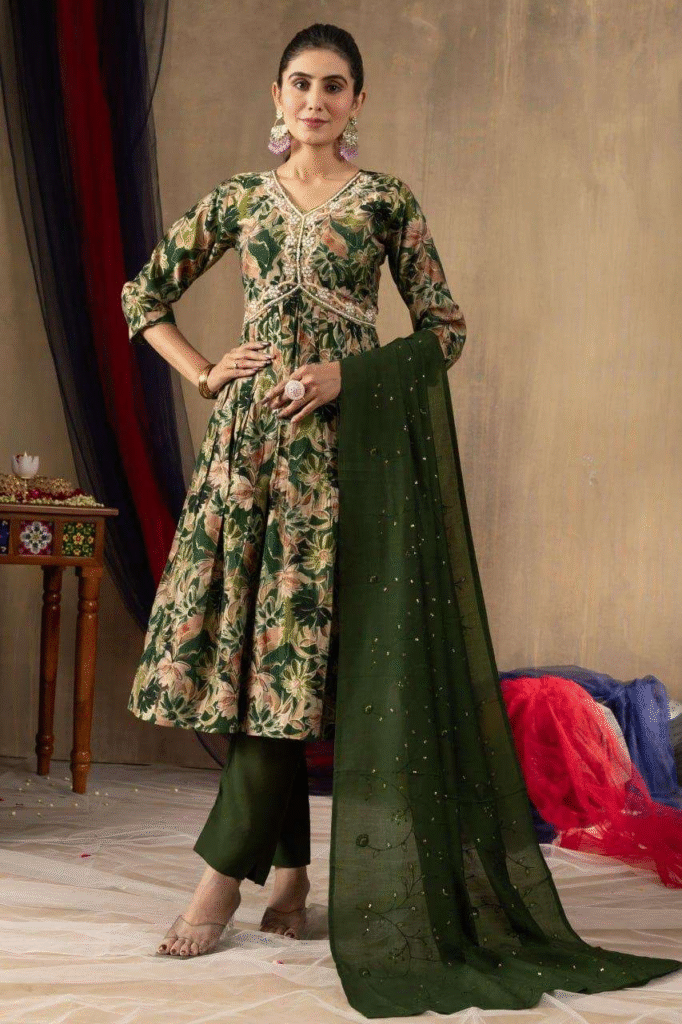
| Festive Events | Printed cotton with dupatta | Anarkali or embroidered silk |
| Winter Wear | Layer with a cardigan | Full-sleeve or heavy silk kurtas |
5. Best Fabrics by Season in Nepal
- Summer: Cotton is the best.
- Monsoon: Cotton again for breathability and quick-drying.
- Autumn: Light silk for Dashain/Tihar, or cotton kurtas with prints.
- Winter: Silk or cotton with layering.
6. Which One Should You Choose?
Choose Cotton If You:
- Live in warmer areas
- Want daily wear comfort
- Prefer low-maintenance clothing
Choose Silk If You:
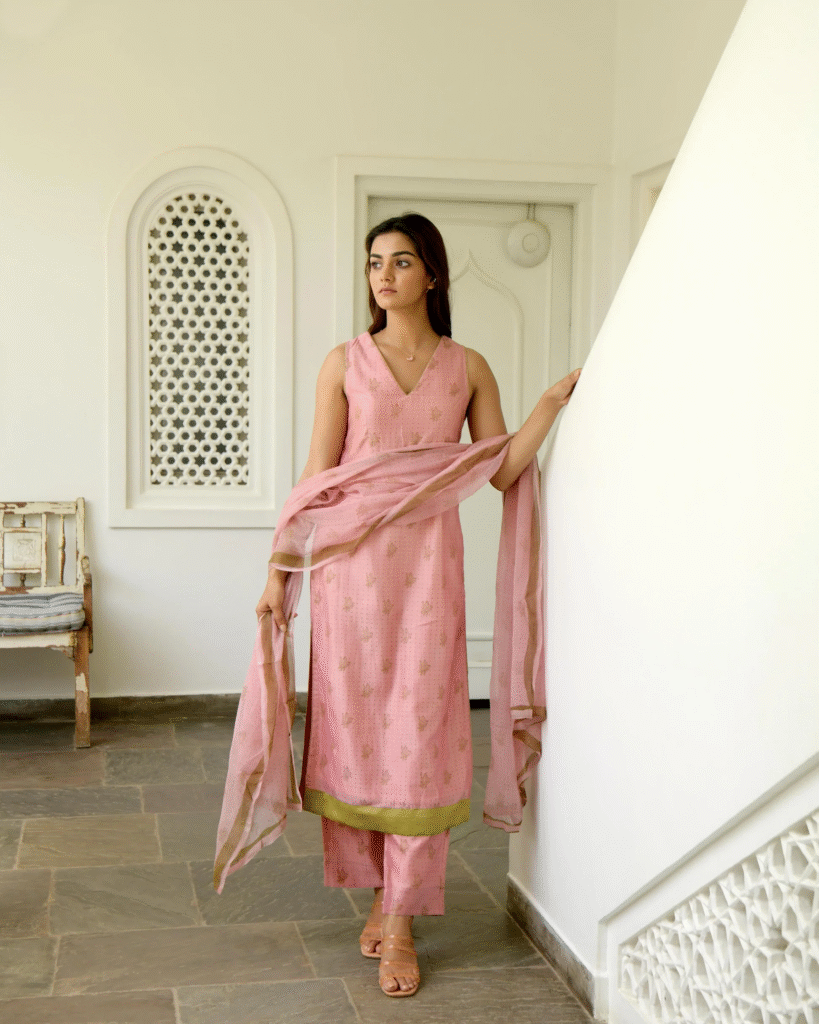
- Want a graceful look for weddings or special occasions.
- Live in hilly regions with cooler evenings
- Don’t mind the extra care and cost
Choosing between cotton and silk kurtas depends on your lifestyle and the occasion. Cotton kurtas are lightweight, breathable, and perfect for everyday comfort, casual outings, or busy workdays. Silk kurtas, on the other hand, add elegance and shine, making them ideal for weddings, festivals, or special events. Knowing the difference between everyday and occasion kurtas helps you select the right fabric, so you always have the perfect kurta for every occasion.
7) The Cultural Significance of Silk and Cotton in Nepal
In our country, Nepal, fabric choice is often more than just about comfort—it’s tied to tradition and symbolism. Silk has long been associated as a fabric with royalty, ceremonies, and religious rituals. Cotton, on the other hand, represents simplicity, purity, and everyday practicality. When you choose a fabric for your kurta, you’re not just choosing for the weather; you’re also tapping into centuries of cultural meaning. There is traditional significance in everything.
Discover kurtas in a variety of fabrics, Explore now.
8) Color and Fabric Pairing for Maximum Impact
The right color of fabric combination can elevate your look instantly.
- Silk in Jewel Tones – Emerald green, ruby red, and sapphire blue on silk look regal during festivals like Dashain or weddings.
- Cotton in Pastels – Peach, sky blue, and mint green cotton kurtas are perfect for summer lunches or temple visits.
- Neutral Cottons with Bold Dupattas – A plain white cotton kurta paired with a bright handwoven dupatta makes a beautiful look.
9) Fabric Care and Longevity
Everyone can own a kurta, but not everyone can maintain it properly by keeping it looking fresh.
- Cotton Kurtas – In order to maintain cotton kurta, you can: machine wash it, but don’t leave it in direct sun for too long, as it is prone to fading. A mild detergent and an inside-out wash can extend their life.
- Silk Kurtas – Maintaining and taking care of silk kurta is a big deal. You can: gentle dry clean. Store in muslin bags to protect from dust and moisture. Iron with a cloth barrier to maintain shine.
A little care goes a long way in making your festive or casual kurtas last for years.
10) Seasonal Styling Inspirations
- Spring in Nepal – Light cotton kurtas with floral prints match the blooming scenery. Pair with comfortable flats for outdoor gatherings.
- Rainy Season – Quick-dry cottons in darker shades to avoid water stains. Avoid long silk hems during monsoon puddles.
- Autumn Festivals – Mix light silk kurtas with breathable linings for Dashain and Tihar. Add metallic accessories for an extra sparkle.
- Winter Evenings – Layer silk kurtas with shawls or embroidered jackets for warmth and glamour.
11) Mixing Fabrics for Versatility
You don’t have to choose strictly between cotton and silk. Blended rich fabrics like cotton-silk offer the best of both worlds. They provide breathability while adding a slight sheen, making them adaptable for day-to-night transitions.
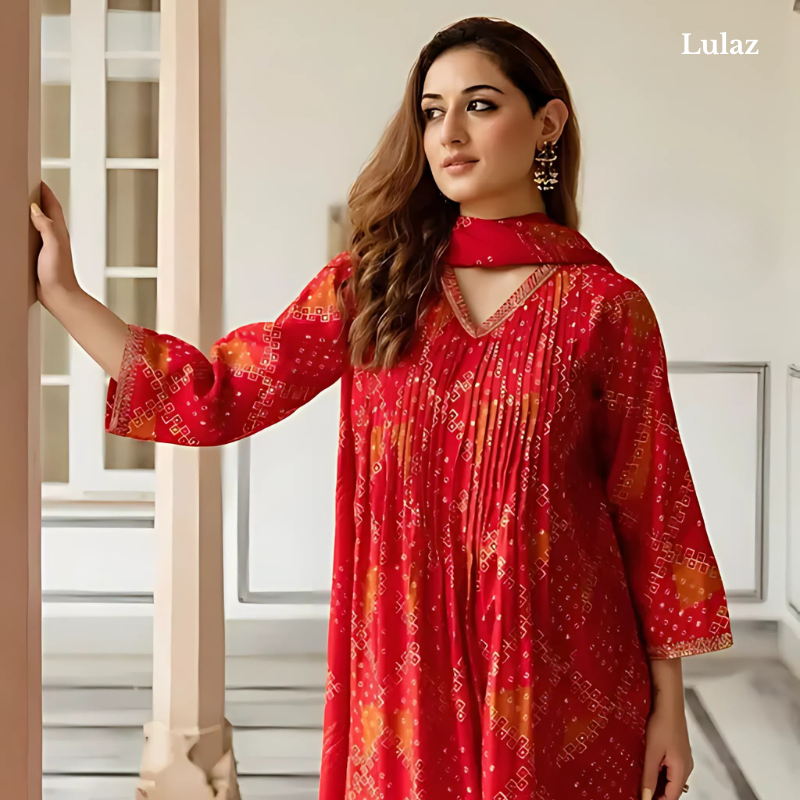
12) Tips for Making Any Fabric Festival-Ready
- Accessorize Wisely – A simple cotton kurta can turn festive with heavy earrings, a statement tika, and embroidered sandals.
- Play with Layering – Add sleeveless silk jackets over cotton kurtas for fusion styling.
- Experiment with Cuts – Straight cotton kurtas for formality, Anarkali silk kurtas for standing out.
Explore our latest cotton collection and shop now.
13) Blending Tradition with Comfort
When you’re faced with a choice of a silk or a cotton kurta in Nepal, the decision is more than just about the weather, as choosing between the two fabrics can vary a lot, as cotton and silk fabrics are very different from each other; while choosing the fabric it’s about how you want to feel and what kind of impression you want to leave. Cotton kurtas will instill a sense of carefree ease and are naturally good for office wear, casual excursions, and temple visits on a hot summer day; cotton accommodates air for your body to breathe even in the fiery streets of Kathmandu and in Terai heat.
The silk kurtas will be your wardrobe heroes. Sinking in soft evening lights during weddings, pujas, or formal events, the silk is silky; the drape is natural, glorious sheen that can stand alone and dominate/attract attention without the usual extravagances. Moreover, cotton is cooler, but silk will help to keep you a little warm in Nepal’s cold months or in winter weddings or autumn festivals.
For many, an ideal and perfect wardrobe may not be two choices, but knowing when to wear each style matters. Cotton for everyday confidence, silk for the standout moments. If you can find, define, and tailor the right looks using the best parts of both categories, you can assemble looks that match not just the time of year but the emotional feeling of each special day.
Frequently Asked Questions (FAQs)
Can I wear silk kurtas in summer?
Silk kurtas aren’t ideal for summer, as the fabric isn’t breathable and can feel heavy in heat and humidity.
Are cotton kurtas suitable for weddings?
Yes, cotton kurtas can be worn at weddings, especially when styled with rich prints, embroidery, or festive accessories.
Which is more durable, silk or cotton?
Cotton kurtas are more durable for daily wear, while silks are delicate and need extra care to maintain their shine and texture.
Is there a fabric that blends both?
Yes, there are fabrics named cotton silk which offer blends of both.
Which kurta is more affordable?
Cotton kurtas are generally more affordable than silk, making them a budget-friendly choice for everyday wear.
Conclusion
Silk and cotton kurtas have a place in every Nepali woman’s closet. Overall, it’s irrelevant if one is a better option than the other. What matters is the right festive kurta, which is best for your season, reason, and style. Cotton is suitable for everyday sophistication and elegance, while silk is best suited for when you want to stand out.
So, whether you are dressing for summer activities or winter occasions, you now know what fabric you can count on.
Check out our YouTube channel for more interesting try on videos.


